
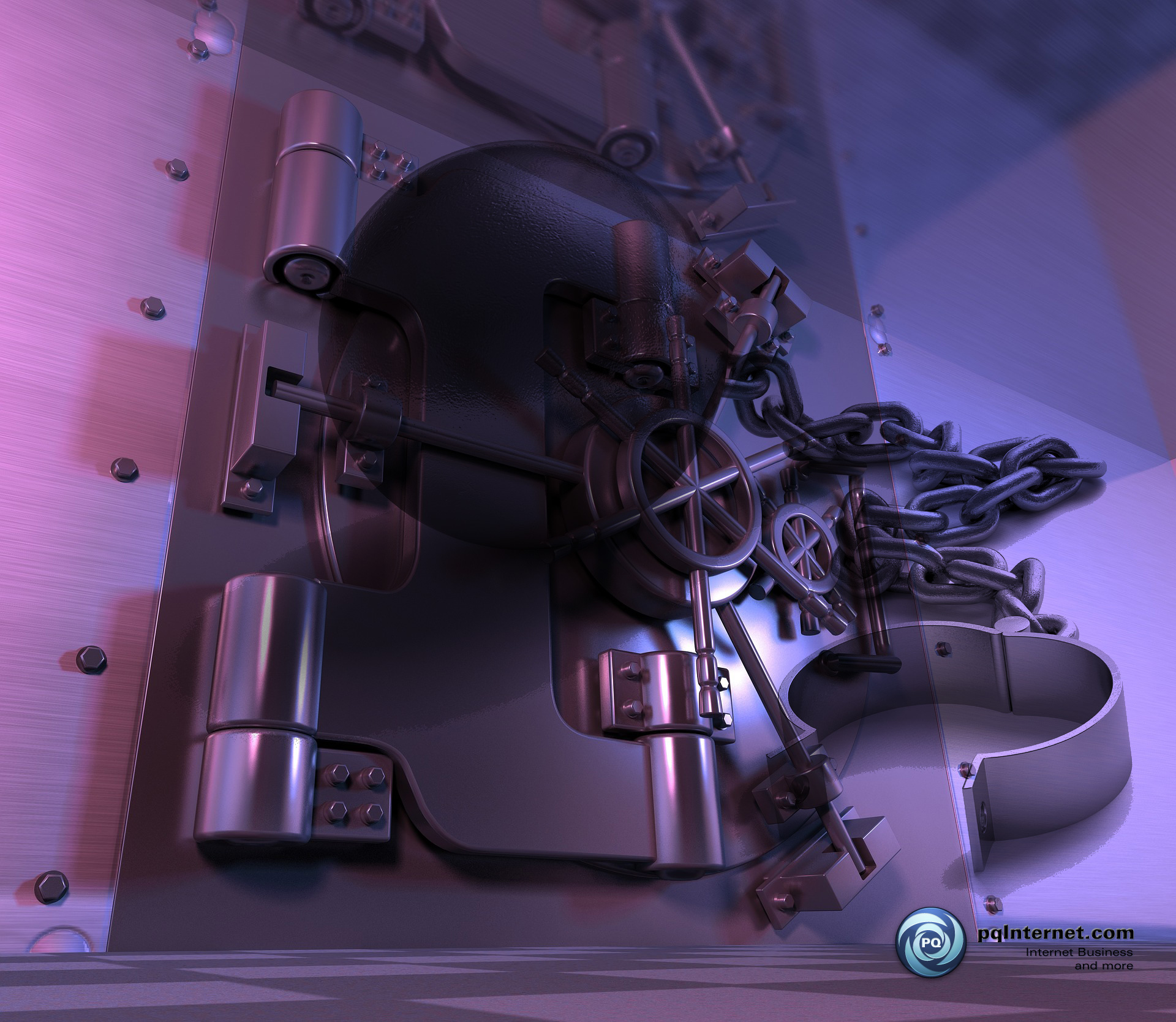
Never doubt whose side the banks are on… its not your’s.
Their commercials and advertisements are honed to a razors edge. They cut with the skill and precision of a surgeon with a scalpel to reach inside the average person and make them believe that being in debt is normal, that you “deserve” a credit card, a new car, and a house with a mortgage you’ll never be able to manage. Or how a second mortgage will let you live your dreams.
If you’ve been through any tough financial times, then you know how fast the smiling faces and friendly voices that you see in the commercials, or in person when making a loan, are replaced by constant, auto-dialed harassing phone calls, letters, and less-than-nice people. Make the mistake of giving them your checking account information to allow them to make an electronic payment and you may find that they use that information later to help themselves to another payment when you’re behind again: no matter to them what your circumstances are, or that the little money you had in your checking account was to buy gas, food, or even medicine for your family.
But what if you’ve managed to whittle away your debt or maybe you don’t any debt to speak of. What bad things can a bank do to you then? If you don’t have much money and time your checks and debit card purchases to match your deposits (called living paycheck to paycheck in the real world), they have a trick or two up their sleeve to screw you and put more money in their pockets. I just read in the October 26, 2007 edition of USA Today (it was laying around and this article caught my eye), that, according to a 2006 USA today survey, 8 of the 10 largest banks paid checks from the largest to the smallest amount instead of the order they were received. What does this do? This makes people with low balances bounce more checks and bounce them faster. Why do they do this? Because by forcing more bounced checks they can charge more overdraft fees. (update 11/2017: I think this is no longer allowed).
This same article also confirms that banks have sped up the processing of checks but have not done so with deposits, which again, translates into more bounced checks. What’s more, if you use a debit card, the article says that they no longer block a transaction if you don’t have enough money in your account, instead they’ll approve the transaction and then hit you with an overdraft charge.
Those overdraft charges now are yielding record amounts for banks: $17.5 billion. Yes, you read that correctly: $17.5 billion a year.
One more method to get your money into their pockets: credit cards are constantly shortening their grace periods. 30 day grace periods used to be the norm, now, 20 day grace periods are common. You may not even receive your statement before the grace period is over, much less allowing time to mail in a payment.
Like an evil clown in a horror movie, the smiling faces and friendly people in bank and credit card commercials and advertisements are only facades covering the evil lurking within. If you’ve never experienced hard financial times, then you’ve missed the dark side of banking, but if you’ve gotten in over your head in debt then you know full well what I’m talking about.
Rather go to bed without dinner than to rise in debt.
~Ben Franklin
Avoid debt like you would a deadly virus. Start working your way out if you’re in debt. Sign up for my mailing list and I’ll give you, yes give you, my Insider Secrets to Promoting Your Business Online.
Until next time,
Fred
 [addtoany]